Ads, purchases, and what you actually pay with
Nothing is free to make. A game that costs nothing to download is funded either by showing you advertising, by selling optional items, or by doing both, and that choice changes how the game feels far more than any board rule.
The two labels on the store page
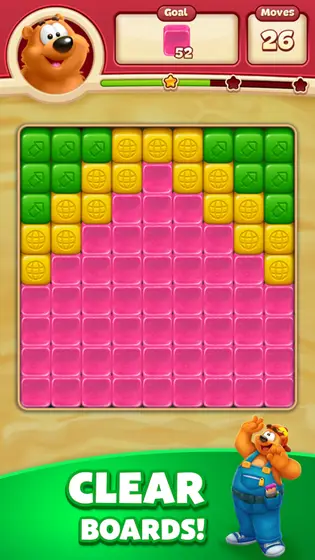
Google Play marks a listing as containing ads, and separately as offering in-app purchases. Both, one or neither can apply. Among the titles this site refers to, 2 of 6 carry the ads label as read on 2026-08-13: Candy Crush Saga, Toon Blast. The remainder — Royal Match, Homescapes: Match 3 Games, Fishdom, Blossom Blast Saga — do not, which usually means purchases carry the whole model.
Advertising-funded: what it feels like
- Short video ads offered as a reward: watch one, receive a booster or an extra life.
- Interstitials between levels, which is the intrusive kind and the reason people uninstall.
- Generally more generous level pacing, because the game earns from time spent rather than from a purchase decision.
Rewarded video is the honest version of this model: the exchange is explicit and you can decline it.
Purchase-funded: what it feels like
- No interruptions, which reads as a more polished experience.
- Tighter difficulty at checkpoints, since the offer needs a moment where it is useful.
- Bundles timed to appear at that moment.
Neither model is dishonest. They are different bargains, and the store labels tell you which one you are accepting before you install.
What you pay with, if not money
In an advertising-funded game the currency is attention and, indirectly, data used to target that advertising. That is worth naming plainly rather than pretending the download was simply free. Both stores let you limit ad personalisation in the device settings, which does not remove ads but reduces what they are based on.
The useful question before installing is not whether a game is free. It is which of the two bargains you would rather take, and both labels are on the store page before you tap install.
Hybrids
Most large titles run both models at once: rewarded video for players who will never spend, bundles for players who will. This is why a game can show you an ad and an offer in the same minute, and it is not a sign that something has gone wrong.
Short version
- Ads and in-app purchases are separate labels; check both.
- Advertising-funded games tend to pace levels more generously.
- Purchase-funded games tend to tighten difficulty at checkpoints.
- Ad personalisation can be limited in the device settings.
Toon Blast on Google Playon the App Store
Prices, purchase options and the ads label are shown on those listings and can change at any time.