Who sells you a booster, and who takes the money
Tapping buy inside a puzzle game looks like one transaction with one company. It is three parties, and only one of them ever touches your money. Knowing which one saves an hour of writing to the wrong support desk.
The three parties
- The developer writes the game, decides what a bundle contains and sets its price.
- The store, Google Play or the App Store, operates the billing system, charges your payment method and issues the receipt.
- You, whose account holds the payment method and the purchase history.
Money moves between you and the store. The developer is paid later by the store. This is why a receipt for a purchase in any of these games arrives from Google or Apple, never from the studio, and why the studio usually cannot reverse a charge even when it wants to.
Rule of thumb: whoever sent the receipt is the one who can refund it.
What is actually being sold
Almost everything sold in a casual puzzle game falls into four types:
- Consumables — coins, lives, boosters. Spent once and gone. The most common purchase and the least recoverable.
- Bundles — a mix of consumables at a headline discount, usually shown at the moment you fail a level.
- Passes — a season or weekly pass unlocking a reward track. Time-limited by design.
- Subscriptions — recurring charges, managed in your store account rather than inside the game. These continue until cancelled in the store, not in the game.
The distinction matters for cancellation: a subscription is stopped through the store's subscription screen. Deleting the game does not cancel it.

Where the receipt lives
On Android, purchase history sits in the Play Store account under payments and subscriptions. On iPhone, it is in the App Store account under purchase history, and Apple also emails a receipt. Both are the authoritative record: what the game shows in its own shop history is a convenience copy.
Prices are set per country
An Australian account is charged in Australian dollars at prices the developer sets for this market, including GST where it applies. A price quoted on an overseas site or video will not match what you see, and neither will a price from a year ago.
Why the offer appears when it does
Bundles surface at predictable moments: after a failed level, when lives run out, at the start of an event. That timing is the product, and it is not hidden or unusual. The practical response is not to avoid the game but to make the decision on a different screen — the controls covered in our guide to purchase settings exist precisely to add that pause.
Short version
- The store charges you and issues the receipt; the developer does not.
- Consumables are spent and gone; subscriptions continue until cancelled in the store.
- Purchase history in the store account is the real record.
- Prices are set for the Australian market and change.
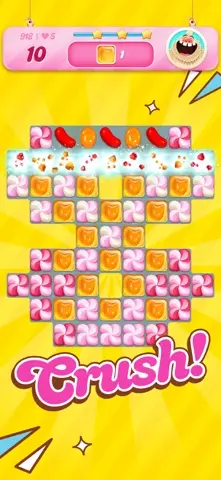
Candy Crush Saga on Google Playon the App Store
Prices, purchase options and the ads label are shown on those listings and can change at any time.